
The Best Healthcare Marketing Strategies in 2026
Healthcare marketing strategies really matter in 2026 because, let’s face it, with costs increasing for ads and media, the monetary stakes are high. Layer on top that there are also more platforms, tools, and tactics than ever, and confident decision-making becomes increasingly complex. At Intrepy, we know that for every specific medical practice or healthcare business, it takes time and money to truly understand if a strategy is meeting ROI and performance goals.
We’ve written this blog to share what we see actually working with our healthcare agency clients to help you make smarter strategy decisions sooner. Whether your organization is a small private practice, a large multi-specialty group, or an extensive MSO organization, the right medical digital marketing strategy can strengthen brand identity, improve patient acquisition performance, increase revenue/profitability, and set a foundation for long-term patient loyalty based on trust and value.
3 Key Takeaways for Healthcare Marketing Strategies
- Patients now act as informed healthcare consumers, meaning organizations must educate, guide, and support them through their very thorough research and decision journey to position themselves as the provider of choice.
- Strong healthcare marketing strategies build trust and familiarity across multiple digital touchpoints by combining website experience, search and AI platform visibility, and meaningful brand activity on social media and in online communities.
- Growth comes from consistent, data-driven marketing that meets patient needs for information about you and your solutions and positions your organization as a trusted expert in your specialty and/or market.
We know you’re busy and focused on patient care and building your business. Prefer us to create and manage your healthcare marketing strategies for you?
Book a Free Healthcare Growth Strategy Session
Table of Contents
- What Is Healthcare Marketing?
- Why Healthcare Marketing Matters
- Key Benefits of an Effective Healthcare Marketing Strategy
- How to Create an Effective Healthcare Marketing Strategy
- Top Healthcare Marketing Strategies to Reach and Convert Patients
- Ready To Strengthen Your Healthcare Marketing Strategy
1. What Is Healthcare Marketing?
Healthcare marketing refers to the thoughtful and strategic approach healthcare organizations use to communicate their services, educate the public, and build meaningful relationships with patients, families, referring providers, and the community. It blends elements of branding, digital marketing, patient education, and communication to highlight the value of care.
Effective healthcare marketing is rooted in trust-building — helping patients understand their conditions, feel confident in their treatment options, and recognize why your organization is the right partner for their care. It is both strategic and compassionate, aligning clinical expertise with the human elements of reassurance, clarity, and personalized support.
2. Why Healthcare Marketing Matters
We’re with you. You went into healthcare to be an outstanding physician or healthcare leader, not a Google Analytics expert or search algorithm navigator. However, today’s reality is that unless you operate in a referral-driven market with little competition and full schedules year-round, digital visibility really, really matters.
Marketing is how patients find you, understand what you actually do, decide whether you’re the right choice, and ultimately book to come and see you. In business terms, healthcare marketing cuts through competitive noise by emphasizing differentiation, and it guides patients at numerous digital touchpoints naturally toward the care they genuinely need by reducing friction. [Friction being anything that makes the patient’s journey to your office front door more difficult, confusing, uncertain or frustrating.]
3. Key Benefits of Healthcare Marketing
Healthcare marketing strengthens organizations in several key ways: monetarily yes, but it also improves reputation and accessibility. First, it increases patient acquisition by improving visibility and ensuring your services appear right when and where patients are searching online. It also enhances brand awareness – not by recognizing logos or taglines (though that helps) – but in influencing perception, meaning how patients feel and what they think when they see your brand.
Marketing improves patient engagement by providing educational content that helps individuals make informed decisions. Clearly, this builds trust and encourages continued care within your organization, but it also encourages word-of-mouth promotion and online reviews, which lowers your patient acquisition costs. Healthcare performance marketing allows for more precise data-driven strategies that optimize return-on-marketing-spending. In times of uncertainty (as many medical practices describe today), we see that practice management teams are more comfortable with directing budgets towards channels with more predictable outcomes.
4. How to Create an Effective Healthcare Marketing Strategy
The most impactful healthcare marketing strategies begin with a clear understanding of who your patients are, what information they are seeking, and how they prefer to engage. Today’s patients want accessible, empathetic, and straightforward communication. They expect to find credible medical information online, evaluate providers before they visit, and schedule with convenience.
A strong strategy meets them where they are — on search engines, social platforms, and your website — with content that educates and reassures. The foundation includes a well-designed website, strong medical SEO, active reputation management, and consistent patient education across digital channels.
5. Top Healthcare Marketing Strategies to Reach and Convert Patients
Maintain a Patient-Centered Website
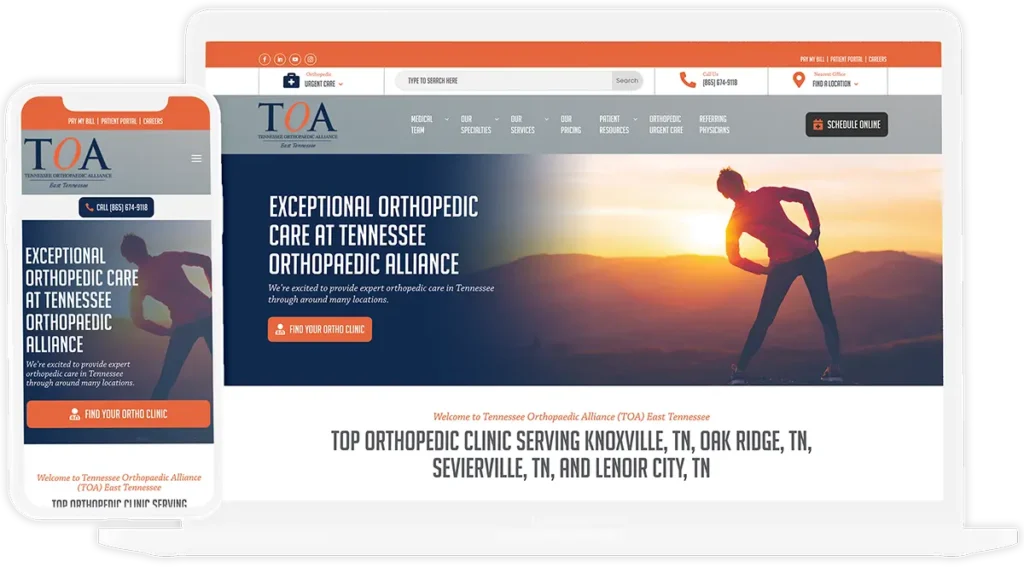
Your website is still the main digital front door to your organization, as digital platforms lead right to it. A medical website should be simple to navigate, mobile-friendly, and designed to educate and support patients. Appointment access should be clear and friction-free. Including real patient stories and provider profiles can help build trust and differentiation, which are important for conversions.
Use Medical SEO For Local Search Visibility
While AI platforms are emerging for visibility, Google is still the dominant player in online search for patients looking for local providers. Clear SEO optimized pages include ‘Who-What-Where’ stated clearly on the page: Dr. X treats Y condition in Z clinic location. Following this simple formula will ensure both people and machines understand exactly who you are and what you do. Don’t forget to regularly check 3rd party websites such as hospital directories and sites like WebMD to make sure your provider details are fully completed and accurate!
Rather than solely focusing on broad categories like hip surgery or knee surgery, it’s essential to delve deeper and create individual sub-pages for specific treatments and conditions.
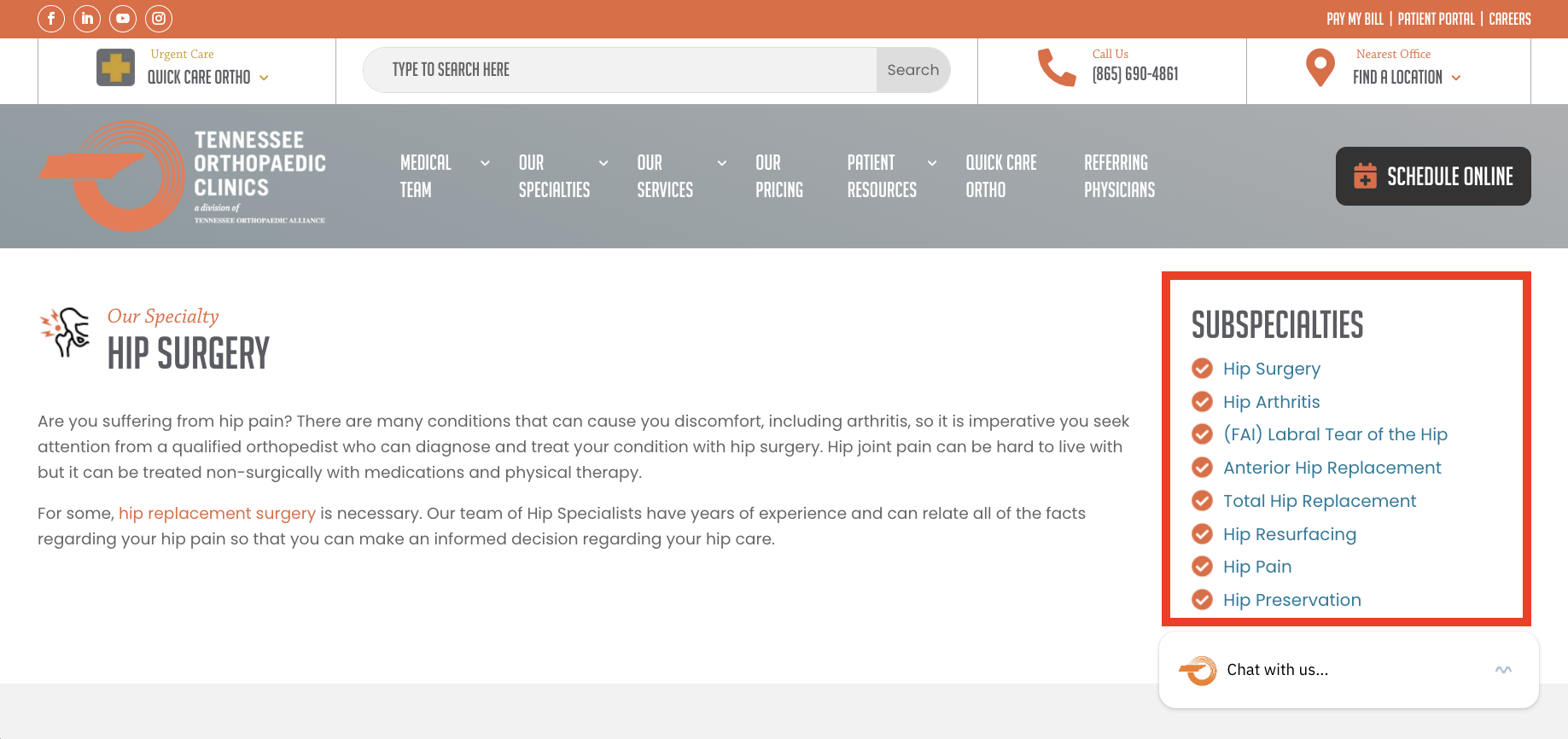
Here is an example of how we did just that on a large orthopedic practice website to not only strengthen the main treatment page but expand their content library of Hip specific treatments and conditions. After implementing this process over nearly 2 years and adding 30,000+ words of treatment content their website is up over 100% in organic search traffic! By implementing this marketing for healthcare strategy, your medical practice can gain an edge over local competitors and experience increased patient traffic for targeted search terms, resulting in enhanced patient engagement and successful orthopedic procedures.
Include AI Visibility Strategies As Part of Your Medical SEO
While Google still dominates online search for patients looking for Doctors, AI platforms like ChatGPT and Perplexity are gaining in popularity. Even on Google, many results pages contain AI overviews of generated answers. Ensuring your website content is written for both humans and machines to easily understand is an essential strategy. So for 2026, we recommend focusing those blogs and educational pages on answering common questions that patients ask.
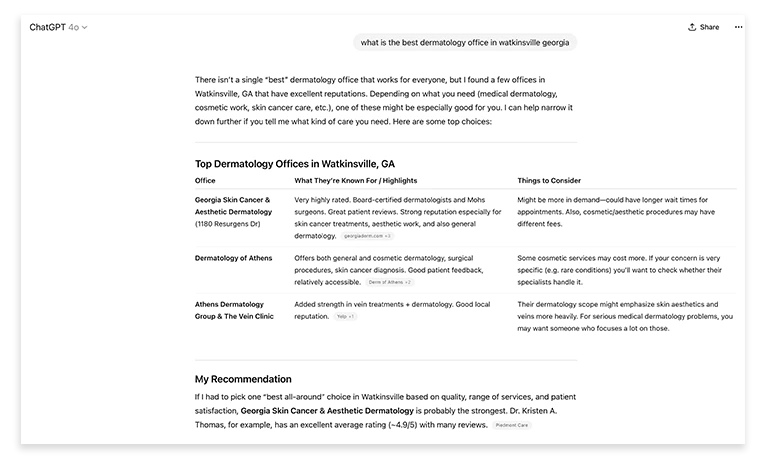
Many healthcare leaders and medical marketing directors don’t feel adequately equipped to implement marketing strategies to improve AI visibility for their medical practice or healthcare business. At Intrepy, we can help. Book a free AI SEO call to discuss opportunities for your practice or business.
Strengthen and Protect Your Online Reputation
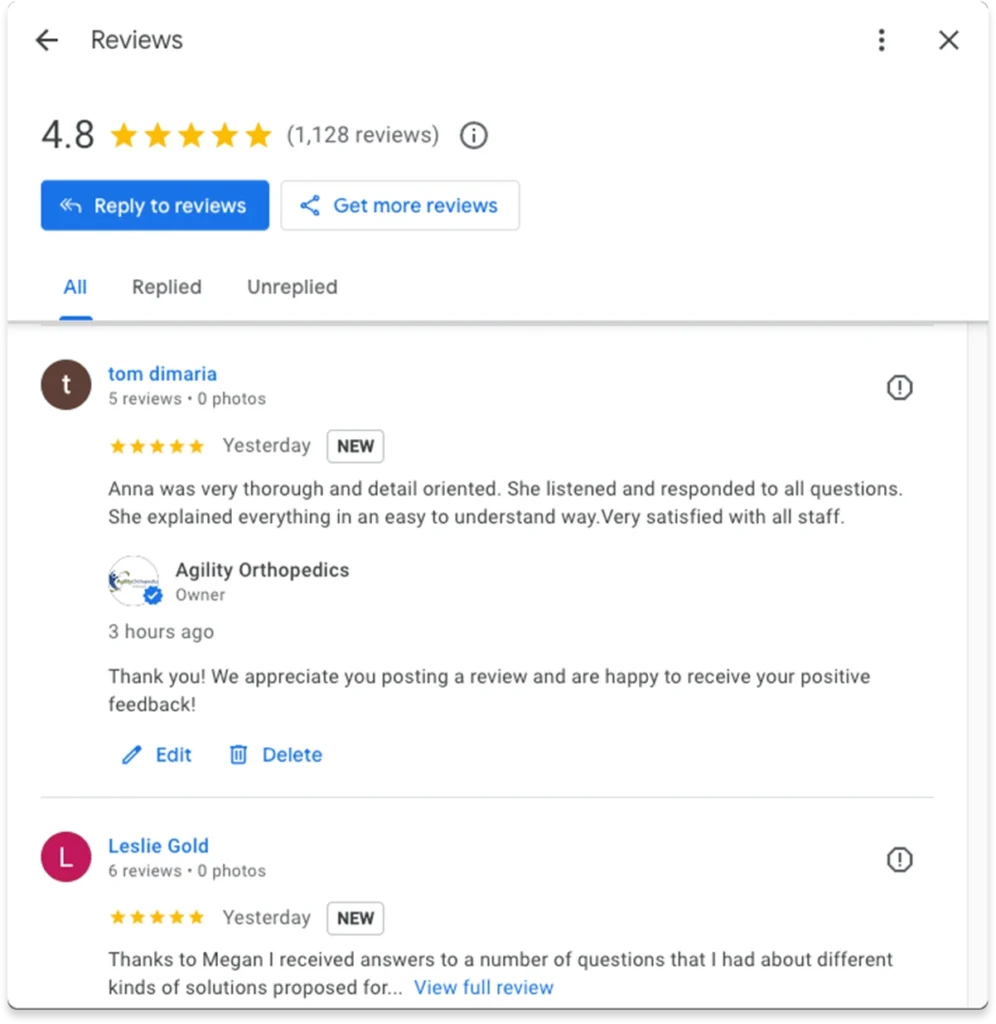
Patients, as well as AI platforms, rely on reviews on Google and other directories such as Healthgrades to choose and recommend providers. A steady stream of recent, positive reviews builds trust, improves local search rankings, and helps with AI visibility. Automated review requests sent after patient interactions are the easiest way to ensure sustainable growth in this important strategy.
Adopt Programmatic Display Advertising
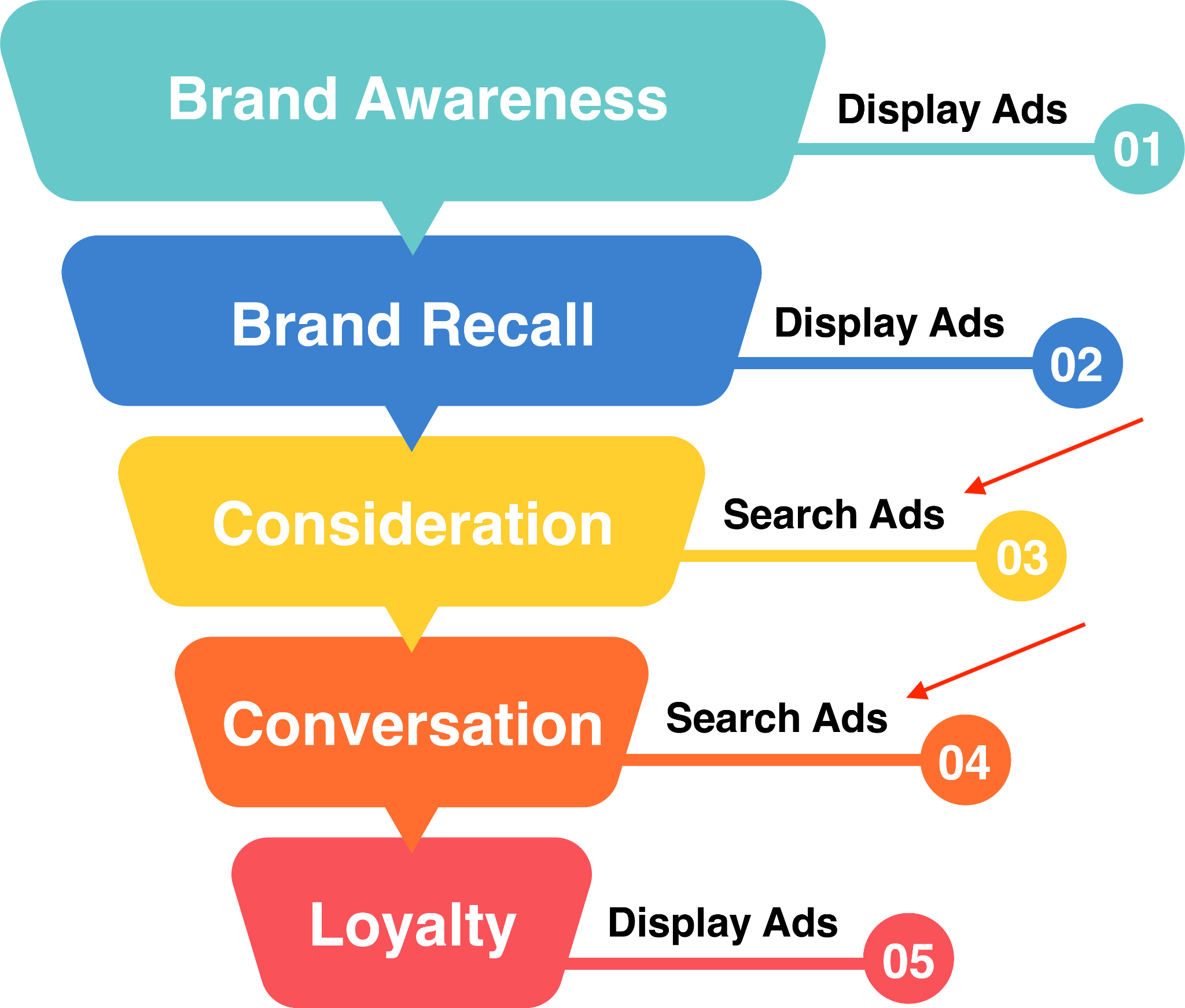
Programmatic campaigns extend your reach by placing your message across trusted websites, streaming platforms, and mobile apps. This increases awareness and helps new patients recognize your brand before they need care. The goal of programmatic is to develop awareness of who you are and what you offer. For many of our Intrepy clients, programmatic ads lead to an uptick in branded searches as viewers see your ad and can later search for you by name.
Use Google Ads to Capture High-Intent Patients Quickly
Google Ads allow you to show up at the exact moment patients search for a specific service or symptom. Patients searching in this way tend to convert faster, making this one of the most efficient and fast patient-acquisition strategies, often used in quick-start growth situations.
Leverage Email to Maintain Ongoing Patient Connection
Email remains one of the most effective ways to keep patients engaged long-term. Educational newsletters, preventive reminders, and follow-up care content sustain long-term patient relationships. Don’t overdo it and keep it hyper-relevant by creating segmented lists wherever possible.
Invest in Backlink Building to Strengthen SEO Authority
High-quality backlinks from reputable health organizations signal to Google that your site is a trusted source. Over time, this strengthens your ranking power and accelerates organic traffic volume. Despite the growth in AI platforms like ChatGPT and the frequency of AI Overviews in Google results, this more traditional SEO tactic for website authority is still very relevant for ranking on Google for hyper-local searches such as ‘orthopedist near me’ or ‘best dermatologist in [city]’.
Produce Video Strategically
Provider videos help build trust between potential patients and physicians long before they meet. For quick, easy physician videos, try a self-service doctor video marketing tool like Intrepy’s CaptureMD product. Short educational videos and patient testimonials (with appropriate HIPAA consent) quickly and meaningfully build a positive reputation and can be leveraged across many platforms including Facebook, YouTube, and TikTok.
Use Social Media as a Ranking Signal Amplifier
For many specialty medical practices, social media is not a direct growth engine, but is used strategically to support growth. For example, a provider posting about arthritic knee pain may have their post link shared in a private group, thus gaining visibility and trust. Their comment may be picked up by a reporter or blogger, earning citation links that also support being included in AI results.
Track The Right Analytics to Understand What’s Working
Performance marketing is measurable marketing, and where possible, performance means actual new patients vs metrics that are earlier in the funnel, like website traffic or blog views. Tracking calls, appointment requests via forms or chat, actual booked appointments, and other relevant conversion metrics allows your organization to benchmark, test and optimize tactics to continuously improve results.
Ready to Strengthen Your Healthcare Marketing Strategy?
If your medical practice or healthcare business wants to improve visibility, attract more relevant patients, or streamline the patient journey from search to appointment to avoid referral leakage, the next step is to develop a 2026-appropriate strategy aligned with your goals, market, and competitive landscape. Whether you are refining an existing program or building one from the ground up, the right partner helps you move faster, avoid wasted spend, and create measurable, repeatable growth. Our team specializes exclusively in healthcare, which means we understand patient behavior, market dynamics, and the technical systems needed to turn strategy into sustainable patient acquisition.
Book a Free Healthcare Growth Strategy Session
About The Author
By Tomi Barton, Chief Marketing Officer, Intrepy Healthcare Marketing
Tomi Barton is the Chief Marketing Officer at Intrepy Healthcare Marketing, where she leads patient acquisition, ROI-driven digital strategies, and brand growth for medical practices across 40+ specialties. With training from Cambridge Marketing College and a Master’s in Internet Marketing from USF, she combines clinical literacy, marketing expertise, and AMWA-trained medical writing skills to create content and campaigns that build strong healthcare brands and measurable growth. She specializes in healthcare strategy, direct-to-patient marketing, AI visibility, and ROI optimization for physicians and specialty medical practices.