
Digital Marketing for Doctors in 2026: Strategies, Trends & Best Practices
In today’s healthcare landscape, having a solid digital presence is no longer optional for doctors; it’s essential. Patients aren’t just searching for a doctor anymore; they’re searching online for solutions, reading reviews, comparing providers, and booking appointments, all without ever picking up the phone. If your practice doesn’t show up, someone else’s will.
Welcome to digital marketing for doctors in 2026, where strategic visibility drives real patient growth. Whether you’re an independent physician, multi-specialty practice, or part of a growing MSO, the right marketing plan will help you attract, engage, and retain the patients you want most.
Table of Contents:
- Why Digital Marketing for Doctors Matters in 2026
- Define and Understand Your Target Audience
- Build a High-Performance Medical Website
- Leverage Local SEO to Win New Patients
- Use Paid Ads (PPC) to Maximize High-Intent Traffic
- Grow and Protect Your Online Reputation
- Content Marketing: Become the Answer Patients Are Searching For
- Email Marketing for Patient Retention & Referrals
- Maximize Social Media for Trust, Visibility, and Engagement
- Embrace Video Marketing & AI-Driven Tools
- Track Results with Conversion-Focused Analytics
- Partnering with a Healthcare Marketing Agency
1. Why Digital Marketing for Doctors Matters in 2026
In 2026, more than 80% of patients use search engines and social media before scheduling care. Digital marketing for doctors and medical professionals isn’t just about visibility—it’s about trust, relevance, and accessibility.
Top-performing practices understand that digital marketing:
- Attracts new patients with strong intent
- Converts web traffic into booked appointments
- Builds long-term credibility through social proof and thought leadership
- Enhances patient experience with streamlined access to care
If your medical practice isn’t actively marketing online, you’re leaving growth opportunities—and revenue on the table. Patients decide who to trust before they ever call your office. If your practice isn’t visible, credible, and easy to engage with online, you’re invisible to modern patients. Use these insights to shape content, ads, and messaging that speak to their specific needs, not broad assumptions. The more aligned your marketing is with patient intent, the higher your conversion rates will be.
2. Define and Understand Your Target Audience
Effective marketing for doctors begins with clarity. Who are your ideal patients? Are you trying to attract high-acuity cases, cash-pay patients, or niche specialties like hormone therapy or sports medicine?
Segment your audience by:
- Demographics (age, gender, income level)
- Conditions (e.g., joint pain, dermatologic issues, fatigue)
- Psychographics (values, concerns, goals)
- Referral sources (self-referral vs PCP)
Tailor your messaging accordingly. Use real-world language, not clinical jargon. Address what matters to them: convenience, safety, affordability, outcomes, and accessibility. Stop marketing to “everyone.” Practices that tailor messaging by condition, intent, and patient motivation convert significantly better than generic, broad campaigns.
3. Build a High-Performance Medical Website
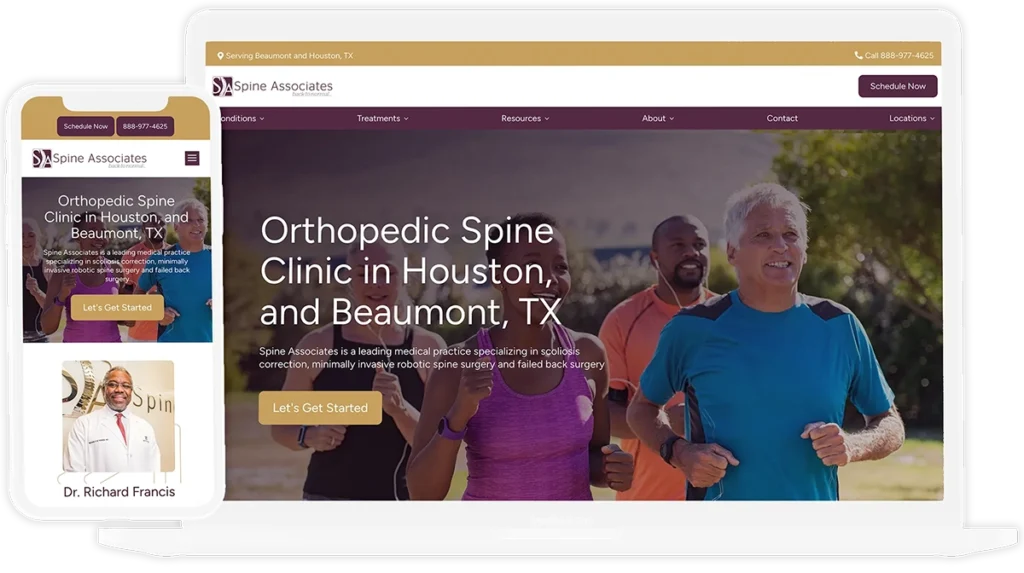
Your website is your digital front door. In 2026, a successful website for doctors must be:
- Fast (under 2s load time)
- Mobile-first (70%+ of health searches happen on phones)
- Accessible (ADA-compliant)
- Optimized for AI search (structured data, FAQs, schema markup)
It should include:
- Service pages for each condition/procedure
- Clear CTAs (“Schedule Now,” “Check Insurance,” “Call Now”)
- Embedded videos and doctor bios
- Patient testimonials with star ratings
- Online forms for scheduling, referrals, and questions
- Live chat or AI chatbot tools
Don’t overlook UX. Poor navigation = high bounce rate = lost leads. Your website should function like a digital intake coordinator — answering questions, building confidence, and guiding visitors to schedule care without friction.
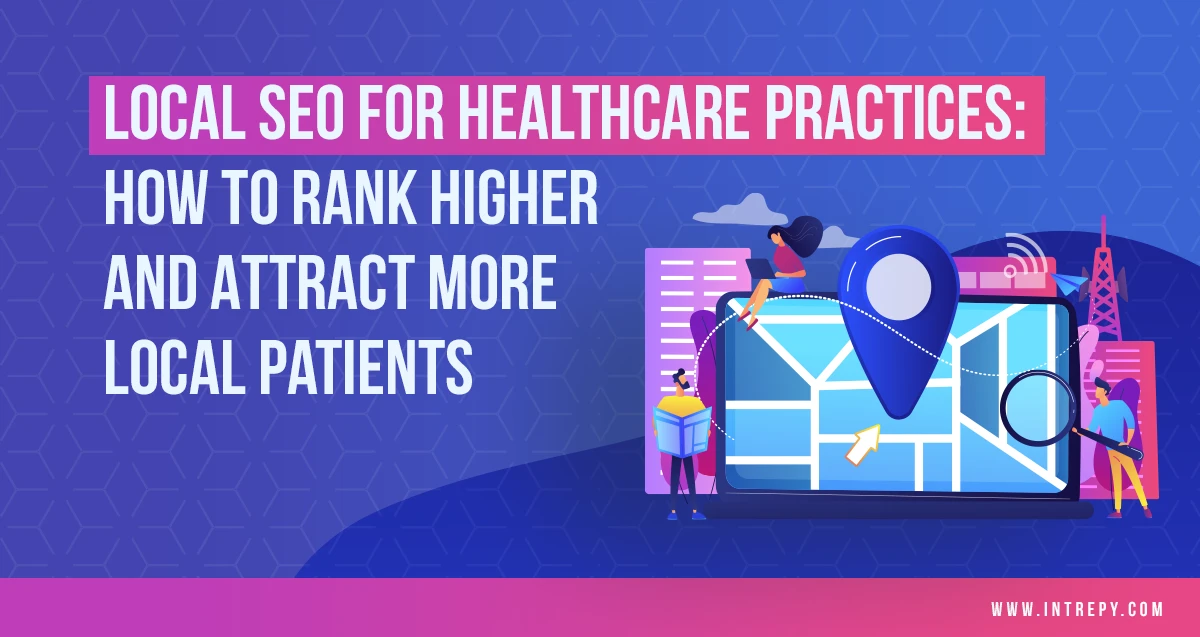
4. Leverage Local SEO to Win New Patients
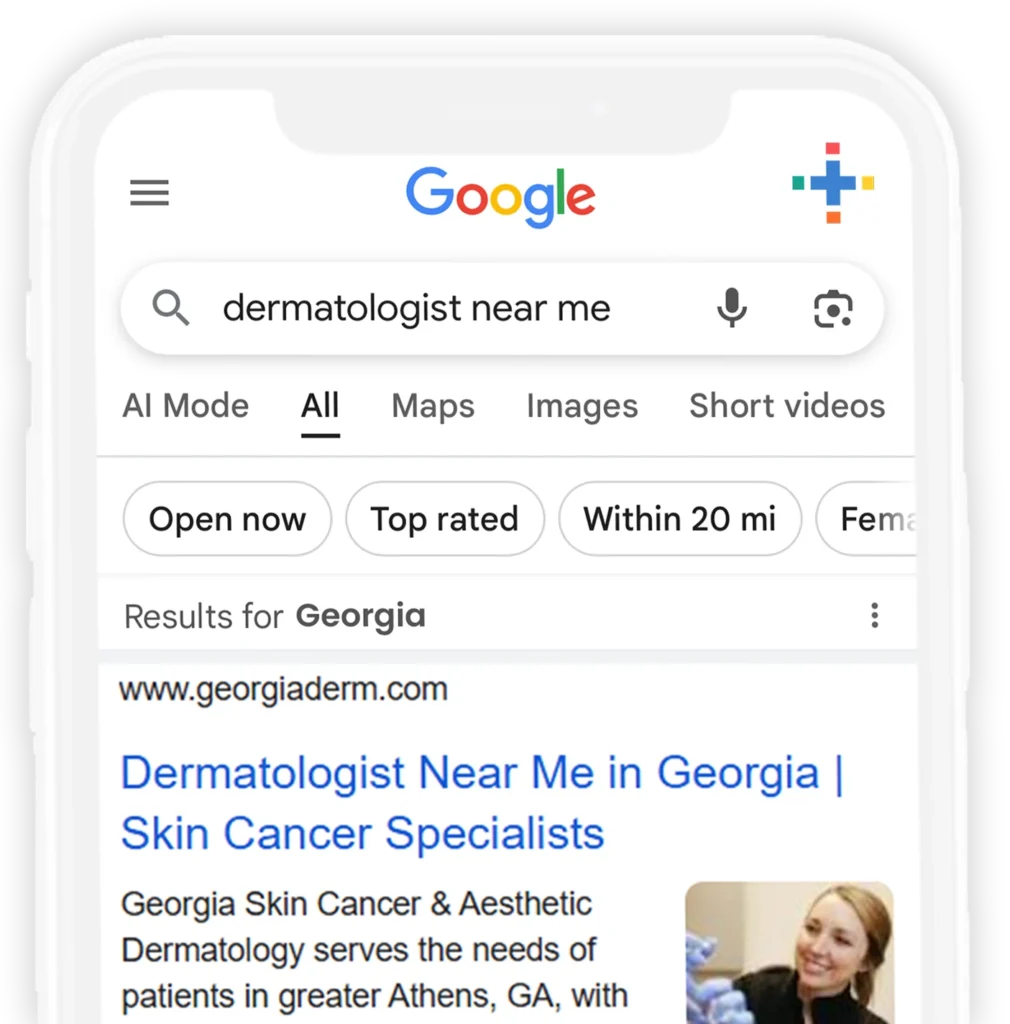
Ranking for “orthopedic doctor near me” or “dermatologist in [city]” is key to attracting local traffic. Your local SEO strategy should include:
- Optimizing your Google Business Profile (photos, services, reviews)
- Embedding local keywords on location-specific landing pages
- Creating internal links between services and cities
- Earning local backlinks from news stories or directories
- Using structured data (schema) to appear in AI answers and map packs
Keep your NAP (Name, Address, Phone) consistent across all platforms. Local SEO isn’t about ranking everywhere — it’s about dominating your zip codes. Optimize each location and service combination intentionally.
5. Use Paid Ads (PPC) to Maximize High-Intent Traffic
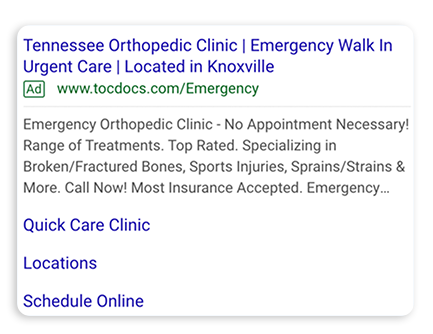
Organic SEO takes time. PPC advertising is the fastest way to generate patient leads for doctors offering specific services.
Start with:
- Google Ads targeting keywords like “urgent care near me,” “primary care doctor accepting new patients,” etc.
- Meta Ads (Facebook/Instagram) targeting demographics by age, location, and interests
- Programmatic Display and Retargeting to stay top of mind
Pro tip: Use AI ad platforms like Google’s Performance Max to automatically optimize creative and targeting. Just be sure your landing pages are optimized to convert—fast, mobile, and action-oriented. Paid ads work best when paired with conversion-optimized landing pages. Sending traffic to your homepage is one of the most common (and costly) mistakes.
6. Grow and Protect Your Online Reputation
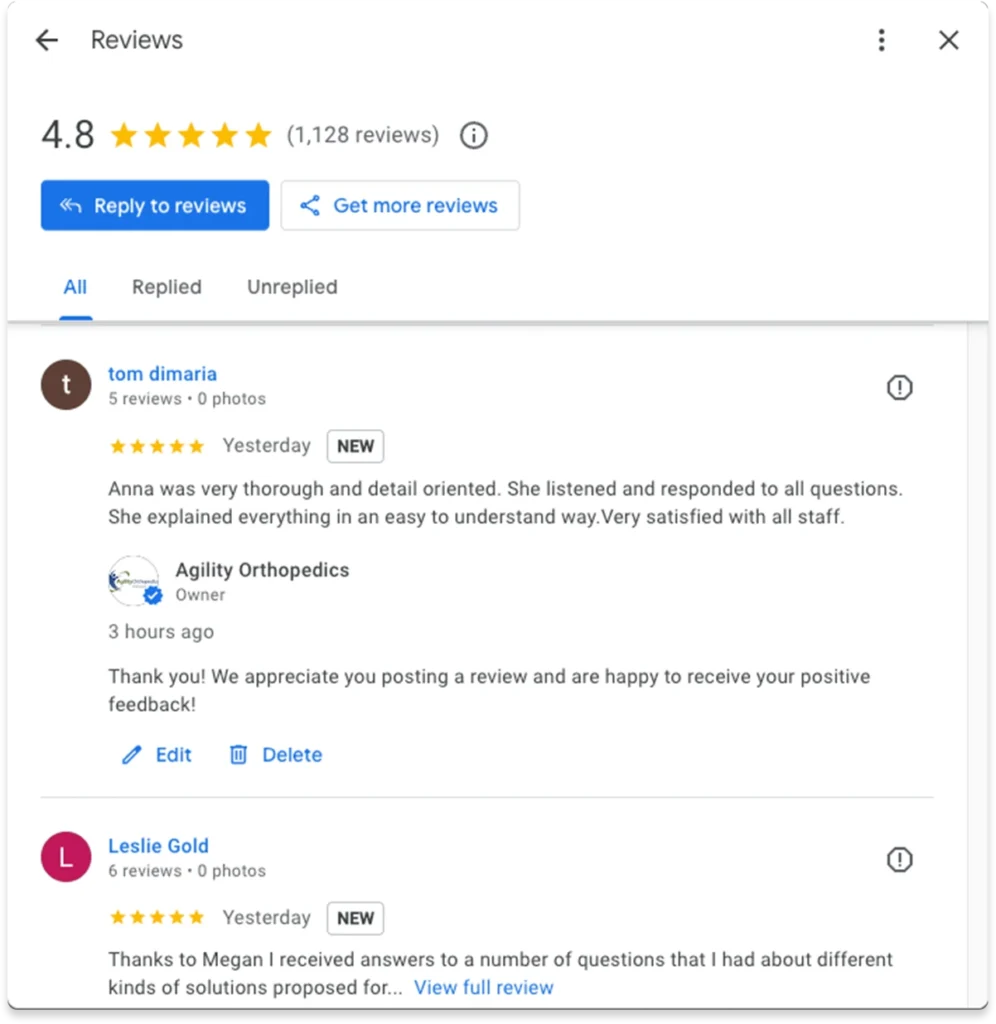
Patient reviews impact both rankings and conversion. Reputation SEO is a critical 2026 ranking factor for Google and AI-generated search summaries.
Best practices:
- Send automatic review requests after each appointment
- Respond to all reviews—positive and negative
- Display recent reviews on your homepage
- Use HIPAA-compliant review platforms (Birdeye, Podium, etc.)
- Add schema markup so Google reads your star ratings
Don’t ask for reviews only on Google—diversify across Healthgrades, Zocdoc, and Facebook. Reviews influence both rankings and patient trust. A steady flow of fresh, authentic reviews can help you build confidence in your practice.
7. Content Marketing: Become the Answer Patients Are Searching For
Content is the fuel that powers SEO, AI discovery, and patient trust. Your content strategy should include:
- SEO-optimized blog posts answering common patient questions
- AI-friendly FAQ sections and voice search content
- Condition-specific landing pages (e.g., “rotator cuff tear treatment options”)
- Downloadable guides or checklists for lead capture
- Guest blog placements or backlinks from medical partners
Use tools like ChatGPT or Jasper to ideate—but always human-edit for medical accuracy, HIPAA, and brand voice. The best-performing medical content answers one specific patient question clearly — not multiple topics in one post. Precision beats volume.
8. Email Marketing for Patient Retention & Referrals
While social media and search drive new patient acquisition, email marketing drives repeat visits and referrals.
Use email to:
- Send monthly newsletters with health tips or seasonal updates
- Promote new services or providers
- Share blog posts and patient stories
- Follow up post-visit with educational content or reminders
- Segment your audience by service line or diagnosis
Automate nurture sequences after form fills, webinar signups, or first visits. Use personalized subject lines and mobile-optimized templates for better engagement. Email is not just for promotions. Educational follow-ups and care-related reminders drive higher retention and referral rates than sales-focused emails.
9. Maximize Social Media for Trust, Visibility, and Engagement
In 2026, social media isn’t optional—it’s your brand’s public reputation.
Post consistently on:
- Instagram: Reels, behind-the-scenes, procedure previews
- Facebook: FAQs, reviews, patient education, community events
- LinkedIn: Doctor and provider spotlights, B2B, referral relationships
- TikTok (if targeting Gen Z or younger millennials): Short, educational, and personal

Content ideas:
- 60-second “Doctor Explains” videos
- Patient milestone shoutouts (with consent)
- “A day in the life of…” stories
- Live Q&As or Instagram stories
Social media builds familiarity—and familiarity builds trust. Consistency matters more than creativity. A steady posting cadence builds familiarity, which is often the deciding factor in patients’ provider choices.
10. Embrace Video Marketing & AI-Driven Tools
In 2026, video is the highest-converting content format in healthcare marketing.
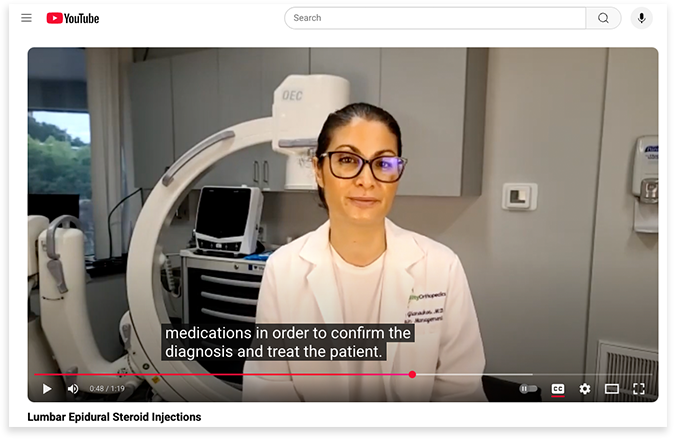
Use video for:
- Service explainer videos
- Doctor’s welcome messages
- Patient testimonials
- Virtual tours of your facility
- Reels & short-form social content
Tools like CaptureMD can streamline video creation with branded overlays, captions, and compliance-friendly templates. For practices without in-house staff, AI tools like Descript and Pictory can simplify editing and repurposing. Short, authentic videos outperform polished productions. Patients trust clarity and honesty more than studio-quality visuals.
11. Track Results with Conversion-Focused Analytics
Without measurement, there’s no strategy, just guesswork.
Set up:
- Google Analytics 4 for traffic and conversion tracking
- Call tracking tools to attribute phone leads to channels
- Form conversion tracking in Google Tag Manager
- Monthly reports with traffic, leads, ROI, and content performance
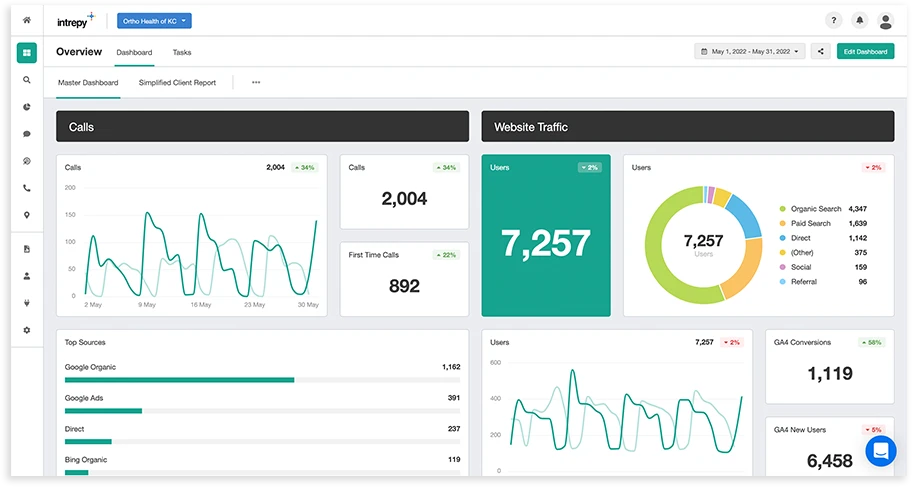
Make data-driven decisions. Optimize based on patient acquisition cost and lifetime value—not vanity metrics. Traffic alone doesn’t grow a practice—track calls, form fills, booked appointments, and cost per patient to measure real success.
12. Partnering with a Healthcare Marketing Agency
Digital marketing for doctors in 2026 is highly technical, time-intensive, and ever-evolving. Working with a healthcare-specific agency can help you:
- Avoid HIPAA compliance issues
- Build a fully integrated growth strategy
- Launch faster with expert creative, SEO, and ad support
- Reduce staff workload and increase consistency
- Stay ahead of trends in AI, privacy, and patient behavior
At Intrepy Healthcare Marketing, we specialize in helping medical practices grow through SEO, paid ads, patient-centric websites, and content strategies that build authority and accelerate patient acquisition. General marketing agencies miss healthcare nuances. A healthcare-specific partner helps you avoid compliance risks and wasted spend while accelerating growth. We partner with physicians, surgeons, and specialty practices nationwide to build digital systems that drive real patient growth. Our team blends marketing expertise with deep healthcare knowledge—because your growth should never come at the expense of compliance or credibility.
Moving Forward With Digital Marketing for Doctors in 2026
Patients are researching symptoms, comparing doctors, and booking online—often before they ever speak to your front desk. In 2026, your digital marketing strategy isn’t just important—it’s mission-critical.
By combining smart strategy with the latest tools and platforms, your practice can:
- Dominate local search
- Engage patients authentically
- Build trust and credibility
- Grow your patient volume and reputation
Ready to take the next step?
Schedule your free marketing assessment with Intrepy today.