
The home healthcare industry continues to evolve rapidly as aging populations, post-pandemic consumer expectations, and healthcare policy shifts fuel demand for in-home services. In 2026, it’s not enough to simply deliver excellent home care—you must also ensure potential patients, families, and referral partners know you exist, trust your services, and can easily take action.
A successful home care marketing strategy goes beyond basic awareness. It requires a modern, multi-channel approach focused on trust, visibility, and accessibility—especially in a market where search engine algorithms and patient behaviors are changing rapidly. Whether you’re expanding in-home service lines or optimizing referral relationships, these 10 home health marketing strategies will position your agency for scalable growth in 2026 and beyond.
Understanding the Value of Home Health Care Marketing
At Intrepy Healthcare Marketing, we recognize that home health isn’t just another healthcare vertical; it’s a vital bridge between hospital discharge and long-term wellness. It’s where clinical excellence meets compassionate care in the comfort of a patient’s home.
We’ve partnered with home health, hospice, and post-acute care providers across the country and understand the complexity of your home health care marketing needs, including:
- Educating family caregivers while reassuring healthcare professionals
- Navigating referral partnerships with hospitals and SNFs
- Complying with HIPAA while maintaining digital and AI visibility
- Building trust with diverse communities across multiple service lines
We understand how deeply personal home-based care is—and we know how to communicate that value to the people who matter: caregivers, patients, and referring physicians. Everything in this guide reflects the strategies we’ve seen work for home health agencies just like yours.
Table of Contents
- Know your referral and patient audience
- Build a high-performing, patient-centered website
- Create content to win search and AI visibility
- Run targeted Google Ads and retargeting campaigns
- Launch OTT and Connected TV video ads
- Create consistent video content with tools like CaptureMD
- Design conversion-friendly service galleries and intake pages
- Build your Reputation SEO through Google reviews
- Grow brand authority with social media engagement
- Use email nurturing for long-term retention and referrals
1. Know Your Referral and Patient Audience
Effective home health marketing begins with clarity about who you’re trying to reach. While patients are often the end users of your care, they’re rarely the ones initiating the first inquiry. Your audience includes:
- Adult children or family caregivers
- Hospital discharge planners
- Skilled nursing facility case managers
- Primary care and specialist physicians
- Post-surgical patients recovering at home
- Long-term chronic condition patients seeking support
Map out “care decision journeys” for 2–3 of your most common referral types. Identify their pain points, trusted sources, and most-used platforms—then tailor your messaging and content accordingly. This ensures your marketing speaks directly to the decision-makers who matter most, whether that’s an adult child researching post-surgical care or a discharge planner navigating options for a complex patient.
Need help with this process? Intrepy Healthcare Marketing can guide you through journey mapping and support your team with an expert healthcare content writer to create patient-first messaging and educational content that builds trust and drives conversion.
2. Build a High-Performing, Patient-Centered Website
Your website should not only reflect your services—it should act as a digital intake engine for both patients and referral partners.
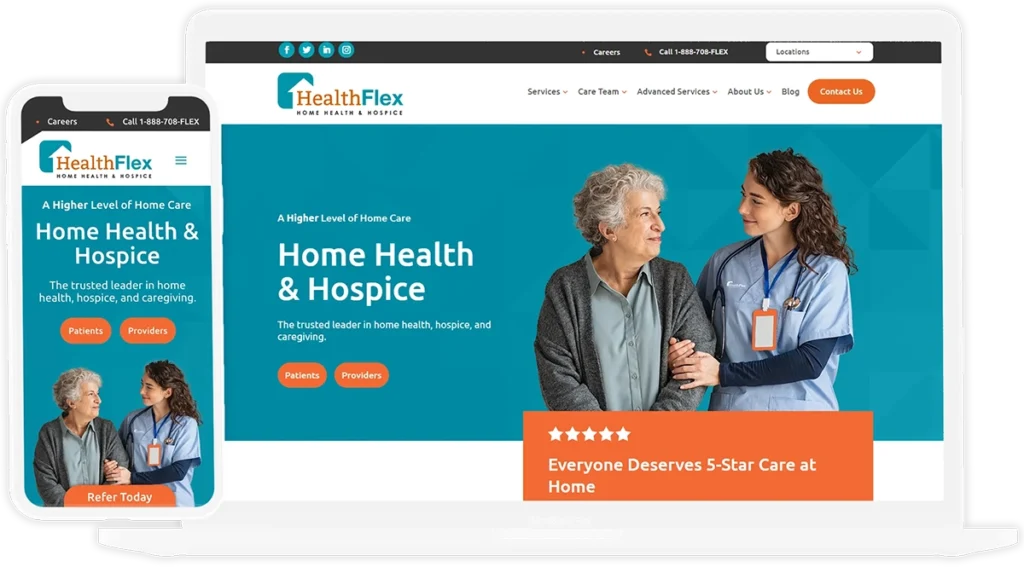
Must-have home health website features in 2026:
- Clear navigation with a dedicated “Services” gallery
- Location-based landing pages with NAP consistency and embedded Google Maps
- HIPAA-compliant lead capture forms
- Online scheduling tools or referral portals
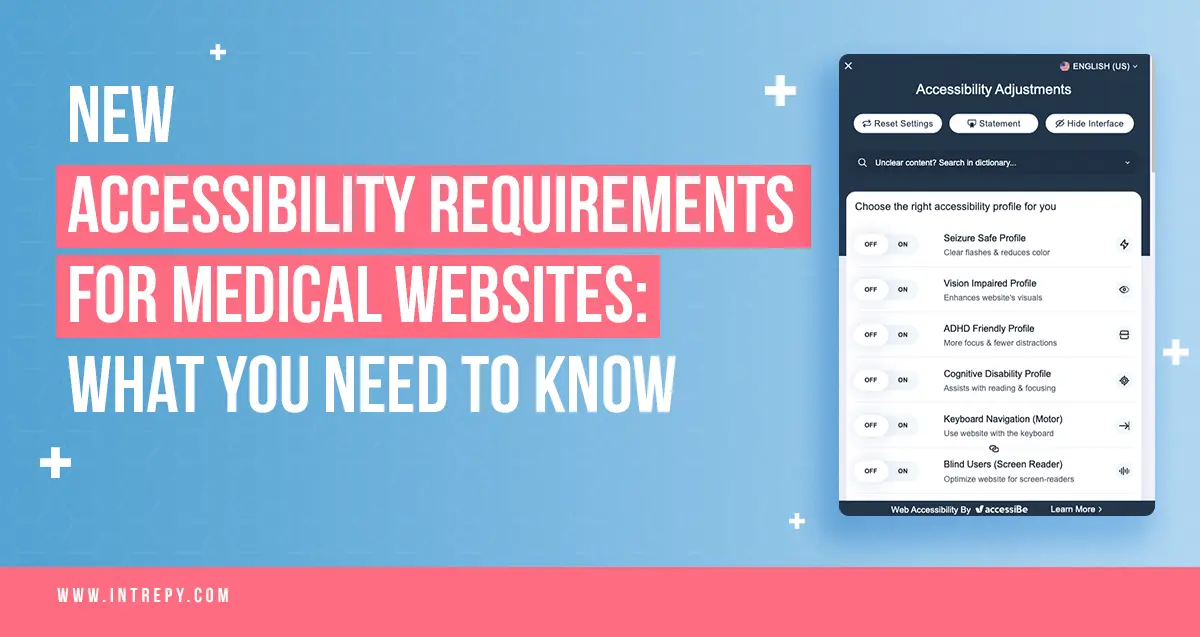
- Mobile-first design, fast page speed, and ADA accessibility
- Real testimonials, provider bios, and patient FAQs
Your homepage should answer the question: “Can I trust this agency to care for my loved one or patient?”—within 10 seconds. We offer expert medical website design built to help you reach the right audience and earn patient trust from the very first click.
Our websites are developed with patient experience and medical SEO integrated from the start, ensuring your site is easy to navigate, optimized for search, and designed to position your practice as a trusted authority in your specialty.
With clear calls to action, mobile-first layouts, and messaging that speaks to your ideal patients, we don’t just build websites, we build digital front doors that convert.
3. Create Content to Win Search and AI Visibility
Search behavior is shifting. In 2026, patients and caregivers may not even visit traditional search results—they’ll rely on artificial intelligence (AI) summaries in tools like Google AI Overviews, ChatGPT, Perplexity, or voice assistants.
To earn placement in AI and organic search:
Create AI-Ingestible Content
- Blog posts answering common questions
- Localized landing pages by city/county
- Service pages with eligibility and benefits
- Physician and organization schema markup
Content ideas:
- “5 Signs Your Parent May Need Home Health Care”
- “What to Expect from In-Home Therapy After Joint Surgery”
- “Home Health vs Hospice: What’s the Difference?”
Publishing twice per month with a strategic content calendar builds topical authority and increases your chances of being cited in AI-generated search results. This consistency helps search engines and AI platforms recognize your site as a reliable source, leading to stronger rankings, more visibility, and long-term organic growth.
Local SEO Content Strategies for Home Health
If you are a regional or national home health group, we recommend following the “hub and spoke” approach to website page structures to win “near me” search in markets where you provide services.
Because home health is unique and you may not have a physical location or a Google Business profile, it does not mean you cannot service patients in this area.
This can make it tricky to rank effectively. That is why we focus on developing a medical SEO content strategy that revolves around primary location pages and sub-service pages under these geographically optimized pages.
Similar to what a personal injury attorney should do on their website if they are licensed in an entire state, this will allow you to compete effectively in LLM search platforms, AI overview, and Google Search with local competitors for your top keywords.
4. Run Targeted Google Ads and Retargeting Campaigns
Google Ads remain one of the most efficient ways to reach high-intent users, especially those looking for immediate post-acute care or caregiver support.
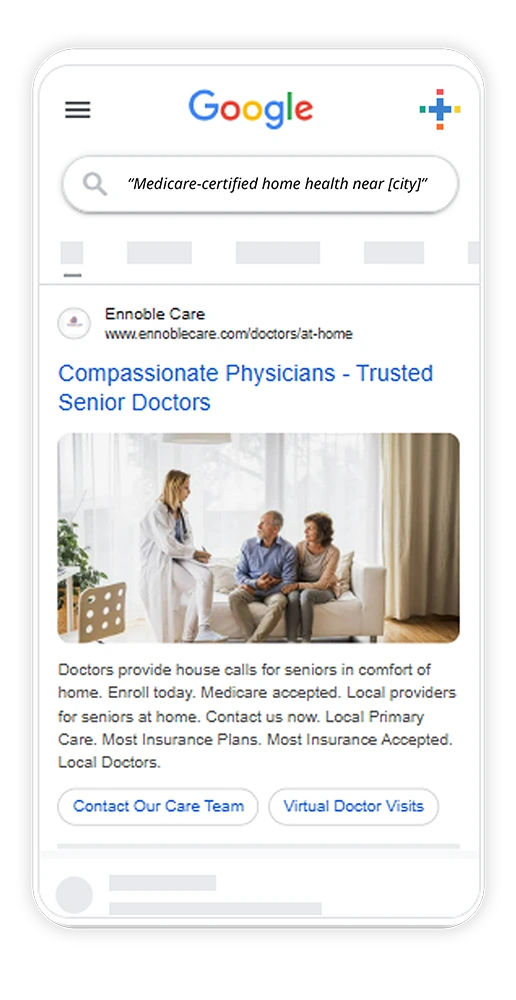
Here is an example of home health Google ads for a client below:
 Best practices:
- Use long-tail keywords like “Medicare-certified home health near [city]”
- Create separate ad groups by service line
- Geo-target by ZIP code or hospital discharge radius
- Build high-converting landing pages
- Track form fills, calls, and chats using GA4 and GTM
Retargeting ads help re-engage visitors who leave without converting, keeping your agency top-of-mind during their decision process. Intrepy Healthcare Marketing specializes in running HIPAA-compliant Google Ads for home health and senior care organizations. We handle everything from keyword strategy and audience targeting to ad creative, landing page development, and ROI tracking, ensuring your campaigns not only generate clicks but convert them into patients and referrals.
5. Launch OTT and Connected TV Video Ads with Patient-Specific Targeting Options
Streaming platforms offer powerful new territory for reaching your target audience—especially adult caregivers.
Why OTT works in 2026:
- Lower ad fatigue than social media
- Higher completion rates (15–30 second ads)
- Healthcare-specific targeting options
- Payor/Insurance
- IDC-10 codes
- HCP Targeting
- Geofencing
- Contextual keyword targeting
- 1st party opted in patient diagnosis & more!
- Strong emotional storytelling format
Focus on emotional, story-driven video ads that resonate with adult caregivers—such as patient recovery journeys or caregiver testimonials—and deliver them on platforms like Hulu or Roku using zip code-level targeting to reach households in your service area efficiently.
This is huge for brand awareness growth, launching new locations, driving patient education and reaching providers. To top it off, these ads are trackable back to the facility level for actual patient visits.
6. Create Consistent Video Content with Tools Like CaptureMD
Video content builds trust, improves engagement, and drives conversions, but most agencies struggle with production. CaptureMD solves that problem.
Use it to:
- Record provider explanations of services
- Film patient testimonials
- Auto-caption and brand content
- Create short-form Reels, Shorts, and embed-ready videos
In home health, video content can build confidence by showing your team’s compassion, expertise, and approachability. Videos don’t have to be complicated. You can create short, compelling videos that highlight patient journeys, caregiver tips, and service offerings, all with CaptureMD video marketing. This easy-to-use tool helps providers and practices record authentic video content in minutes, making it simple to boost engagement and generate leads across platforms like Roku, Hulu, and Amazon Fire TV without overspending or overcomplicating the process.
7. Design Conversion-Friendly Service Galleries and Intake Pages
Don’t bury your home-based service offerings in text-heavy pages. Use a visual service gallery to make it easy for users to understand your capabilities.
Elements to include:
- Clickable tiles for major service categories
- Conditions treated, patient types, and family benefits
- “What to Expect” journey or care plan timelines
- Clear calls-to-action and intake forms
- FAQ sections and downloadable guides
This structure supports conversion and improves SEO when optimized with schema and localized content.
8. Build Your Reputation SEO Through Google Reviews
Your online reputation is a major factor in both local search rankings and trust-building with prospective families.
How to improve reviews:
- Use SMS or email review requests post-discharge
- Include review links in intake folders and email footers
- Train staff to ask for reviews at key satisfaction moments
- Respond professionally to all reviews, even negative ones
- Showcase reviews with schema markup on service and location pages
The more recent and detailed your reviews, the better your visibility in AI-driven platforms and map pack rankings. Your online reputation is a major factor in both local search rankings and trust-building with prospective families. For many caregivers, Google reviews are the deciding factor when choosing a home health provider, especially during emotionally charged or time-sensitive care decisions.
9. Grow Brand Authority With Social Media Engagement
Social media isn’t just for awareness; it’s a tool to showcase credibility, compassion, and consistency.
Post ideas for 2026:
- Patient and caregiver testimonials (HIPAA-safe)
- Meet the Nurse or Caregiver spotlights
- Seasonal safety tips (e.g., heatstroke, flu prevention)
- Infographics for fall prevention, hydration, and home safety
- FAQ explainer carousels and short Reels
- Thank-you posts to referral partners and community orgs
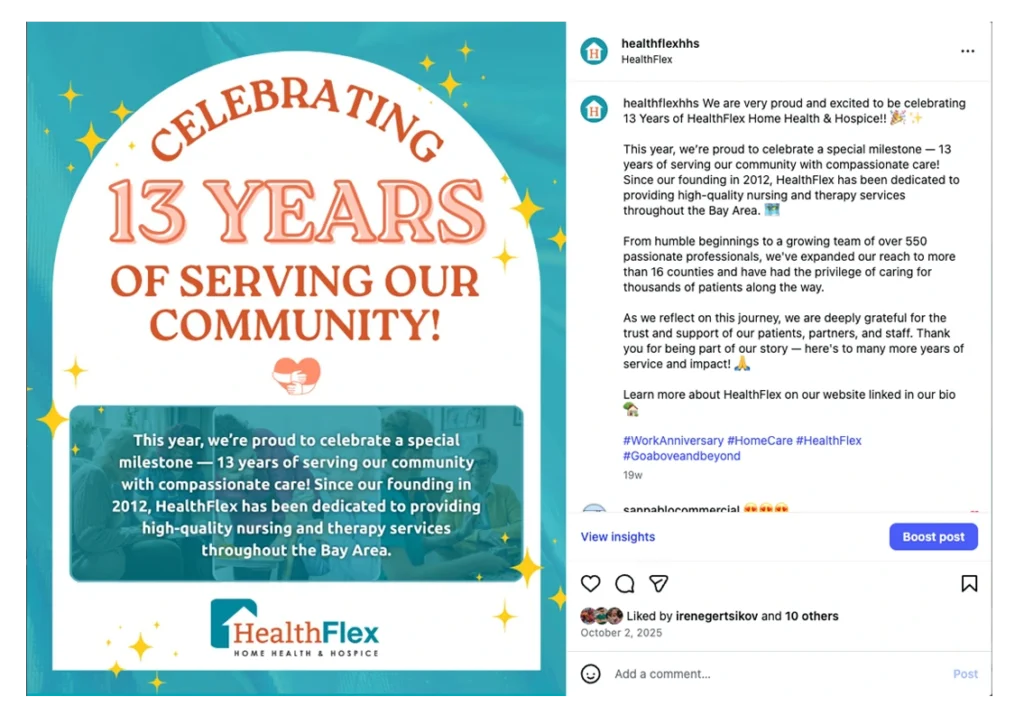
Maintain a regular posting schedule aim for 3–5 times per week, and focus on value, education, and authenticity.
10. Use Email Nurturing for Long-Term Retention and Referrals
Email remains a powerful marketing tool, especially for staying connected with past patients, caregivers, and referring partners.
What to send:
- Monthly newsletters with safety tips and seasonal insights
- Spotlight on new services or staff hires
- Guides like “Preparing the Home After Hospital Discharge”
- Invitations to local events, webinars, or educational series
- Automated follow-ups after intake form completions
Segment lists by audience type and use HIPAA-compliant platforms to ensure privacy. Track open and click rates to optimize subject lines and content structure.
Build a Home Health Marketing Strategy for 2026
The future of home health marketing requires a strategic, data-driven approach. Patients and caregivers are looking for trustworthy providers, and they’re searching on platforms that prioritize transparency, relevance, and credibility.
By investing in local SEO, AI-optimized content, video storytelling, and reputation-building, your agency can stand out in a crowded market and attract high-quality referrals. These strategies work together to create a full-funnel patient acquisition ecosystem meeting decision-makers where they are and helping them take the next step with confidence.
Work With a Healthcare Marketing Agency That Understands Home Care
At Intrepy Healthcare Marketing, we specialize in marketing strategies built for home health, hospice, and senior care. Whether you need a modern website, a structured content plan, or help getting discovered in Google AI Overviews and ChatGPT, we’re here to help.
Schedule a Free Strategy Session and let’s build a marketing plan tailored to your agency’s growth goals.