

For most healthcare practices, most new patients come from the surrounding community. Patients rarely travel far for routine or even specialty care. Instead, they search online for providers close to home or work, often using phrases like “doctor near me” or “orthopedic specialist in [city].” This is where local SEO for healthcare practices plays a critical role. Local SEO is the process of optimizing your digital presence so your practice appears prominently when nearby patients search for care. When executed correctly, it helps you attract high-intent, local patients who are actively looking to book an appointment. Let’s break down how local SEO works for medical practices, what factors influence rankings in 2026, and the specific actions you can take to improve visibility, trust, and patient acquisition.
Table of Contents
- What Is Local SEO for Healthcare Practices
- Why Local SEO Is Critical for Patient Acquisition in 2026
- How Patients Search for Healthcare Providers
- What You Can and Cannot Control in Google Search
- Core Local SEO Ranking Factors for Medical Practices
- How to Optimize Your Google Business Profile
- Building Strong Location Pages That Convert
- Provider Pages and Their Role in Local SEO
- Reviews and Reputation Management Best Practices
- Service and Condition Pages for Local Search
- Tracking Calls, Leads, and Local SEO Performance
- Final Takeaways and Next Steps
1. What Is Local SEO for Healthcare Practices
Local SEO is a specialized form of search engine optimization focused on helping your practice appear in local search results. Unlike traditional SEO, which targets national or informational queries, local SEO is designed to capture patients searching within a specific geographic area. For healthcare practices, local SEO involves optimizing:
- Google Business Profiles
- Practice location pages
- Provider profiles
- Online reviews and ratings
- Local citations and directories
- On-page website content tied to geography
The goal is to ensure Google understands who you are, what you do, and where you are located, so it can confidently recommend your practice to nearby patients.

2. Why Local SEO Is Critical for Patient Acquisition in 2026
Local SEO has become even more important as Google and AI-driven search tools prioritize proximity, trust signals, and user behavior. In 2026, search results are increasingly personalized based on location, intent, and past engagement. If your practice does not have strong local signals, you risk being excluded from:
- Google Map Pack results
- AI-generated summaries
- “Near me” searches
- Voice search results
Practices that invest in local SEO benefit from:
- Higher-quality leads
- Lower cost per patient acquisition
- More appointment-ready traffic
- Stronger brand trust within the community
Local SEO is not about chasing volume. It’s about capturing patients who are most likely to convert.
3. How Patients Search for Healthcare Providers
Most patients do not search the same way. Understanding these patterns helps you structure your website and content correctly.
Common healthcare search types include:
Condition-based searches: Patients searching for symptoms or problems such as back pain, joint pain, or vision issues.
Treatment-based searches: Patients looking for specific procedures like knee replacement, cataract surgery, or physical therapy.
Provider-based searches: Patients searching for a specific doctor by name, often after a referral or recommendation.
Specialty-based searches: Patients looking for a type of provider, such as an orthopedic surgeon or dermatologist.
Practice-based searches: Patients searching for a clinic type near them, such as an urgent care or specialty practice.
Each of these searches requires different types of content to rank effectively.
4. What You Can and Cannot Control in Google Search
There are elements of Google search you cannot control, including:
- Individual search history
- Device personalization
- User location at the time of search
- Google’s algorithm updates
However, there are many high-impact elements you can control. These include:
- Accuracy and completeness of your Google Business Profile
- Consistency of your name, address, and phone number across platforms
- Quality and frequency of reviews
- Website structure and internal linking
- Location-specific and provider-specific content
Focusing on controllable factors allows you to compete effectively even in saturated markets.
5. Core Local SEO Ranking Factors for Medical Practices
In 2026, Google continues to evaluate local rankings using a combination of signals. The most influential factors include:
- Google Business Profile optimization
- Reviews and star ratings
- On-page SEO and content relevance
- Local backlinks and citations
- User engagement signals such as calls and directions
Practices that consistently update content, generate reviews, and maintain accurate listings tend to outperform competitors over time.
6. How to Optimize Your Google Business Profile
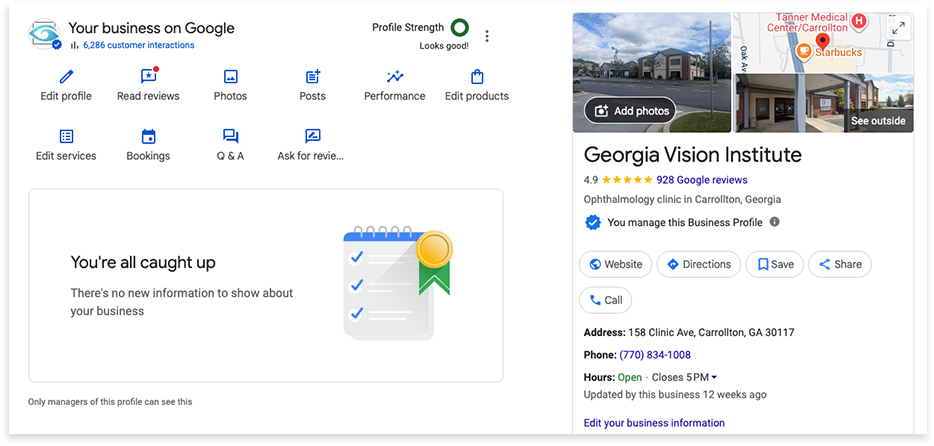
Your Google Business Profile is one of the most powerful tools in local SEO. A fully optimized profile improves visibility and credibility. Best practices include:
- Completing every available field
- Writing a business description that clearly states who you are, what you do, and where you are located
- Selecting the most accurate primary and secondary categories
- Adding services and treatments in detail
- Uploading real photos of your office, staff, and exterior
- Keeping hours and contact details updated
Your profile should also be connected to your website through location pages and embedded maps to reinforce trust signals.
7. Building Strong Location Pages That Convert
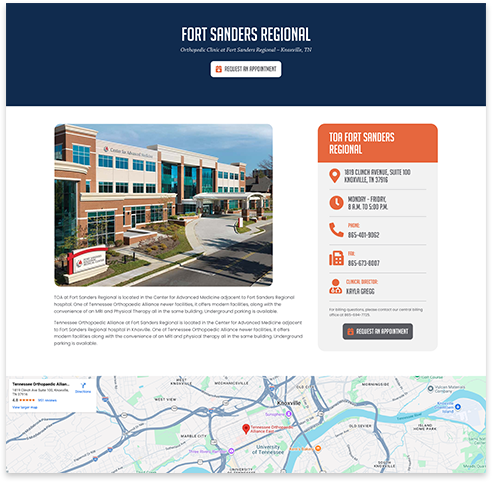
Every practice location should have its own dedicated page. These pages help Google understand where you operate and help patients feel confident choosing your office. Effective location pages include:
- City and state references throughout the content
- A list of services available at that location
- Providers who practice there
- Directions, parking details, and hours
- Embedded Google Maps
- Local testimonials, when available
Avoid duplicate content across locations. Each page should feel specific to that community.
8. Provider Pages and Their Role in Local SEO
Provider pages are often underutilized but extremely valuable. Many patients search for doctors by name, and Google treats these pages as authoritative sources. A strong provider page should include:
- Full credentials and specialties
- Conditions and procedures treated
- Locations served
- Professional biography written in plain language
- Internal links to related services and locations
Optimized provider pages frequently rank for both branded and non-branded searches.
9. Reviews and Reputation Management Best Practices
Reviews are a major trust and ranking factor in healthcare local SEO. They influence patient decisions and Google’s confidence in your practice. Best practices include:
- Requesting reviews consistently after visits
- Using HIPAA-compliant tools for outreach
- Responding to all reviews professionally and generically
- Sharing reviews on your website and social platforms
The goal is steady, authentic review growth, not spikes that appear unnatural.
10. Service and Condition Pages for Local Search
Every major service and condition should have its own page. These pages allow you to rank for specific patient searches. Effective pages include:
- Clear explanations of conditions or treatments
- Location references where appropriate
- Internal links to providers and locations
- Frequently asked questions
- Calls to action that guide patients to book
This structure supports both traditional SEO and AI-generated search results.
11. Tracking Calls, Leads, and Local SEO Performance
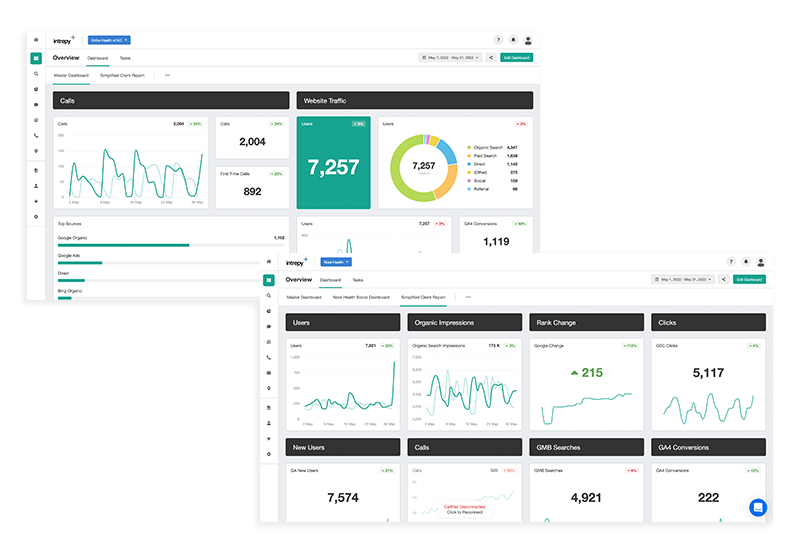
Local SEO success must be measured. Without tracking, it’s impossible to know what’s working. Use tools to track:
- Phone calls by page and source
- Form submissions
- Direction requests
- Conversion rates by location
This data allows you to refine content, improve underperforming pages, and allocate resources more effectively.
12. Final Takeaways and Next Steps
Local SEO is not a one-time project. It is an ongoing strategy that rewards consistency, accuracy, and patient-focused content. Healthcare practices that invest in:
- Google Business Profile optimization
- Location and provider page development
- Review generation
- Performance tracking
will continue to outperform competitors in 2026 and beyond. If you want help implementing or auditing your local SEO strategy, working with a healthcare-focused marketing partner can accelerate results while avoiding compliance and technical pitfalls.