
2026 Healthcare Marketing Trends & Healthcare Advertising Trends
Remember when the internet was invented? No, us neither 😉 but it was an earth-shattering digital shift. And without being too dramatic, we’re going to say it: in 2026, healthcare digital marketing isn’t inching forward anymore, it’s shifting, seismically, under our feet. For the first time, Google AI Overviews, AI platforms, and large language models are beginning to shape parts of the patient journey (hint: the first part) just as much as the original invention of Google ever did.
Add privacy updates, automation, and rising patient expectations and we suddenly have a brand-new playbook for how people – your future patients – discover and choose specialty care.
The practices growing in 2026 aren’t drowning in “more marketing,” they’re tightening the fundamentals: showing up clearly in AI, answering real patient questions, matching campaigns to actual capacity, and making it effortless for patients to book. These trends point to where the industry is genuinely heading and what practices need to stay trusted, visible, and competitive in an AI-shaped world.
Want a trusted partner who isn’t shaken by all this shakiness? We’re here to help.
Healthcare Marketing Trends Table of Contents:
1. AI Visibility & Answer Engine Optimization (AEO)
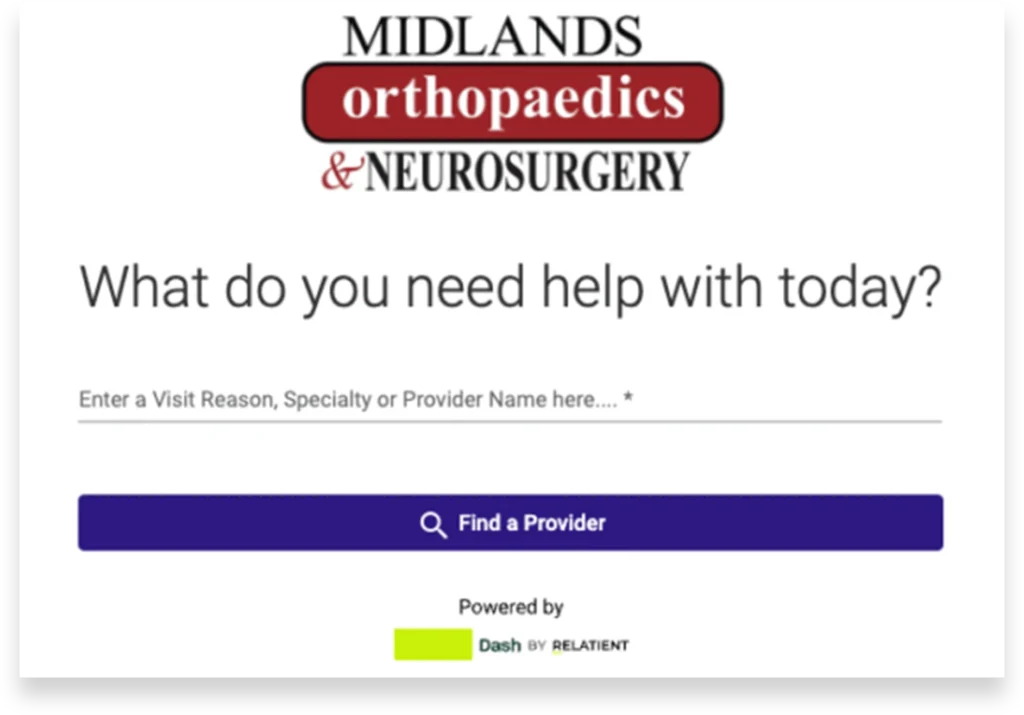
2. Patient Self-Scheduling as A Conversion Lever
3. HIPAA-Compliant Tracking & Privacy-First Marketing
4. AI-Assisted Paid Advertising With Human Control
5. Short-Form & Physician-Led Video Efficacy
6. Marketing–Operations Alignment (Capacity-Based Demand Shaping)
7. Modern Reputation Strategy & Review Expansion
8. Programmatic Display & CTV for Demographic Targeting
9. National SEO & the Educational Content Race
Let’s take a deeper dive into the trends.
1. AI Visibility & Answer Engine Optimization (AEO)
The Trend:
AI platforms are quickly becoming a primary discovery surface for patients researching symptoms, treatments, and providers. Tools like ChatGPT, Google AI Overviews, Gemini, Perplexity, and Copilot have changed the starting point of the patient journey. Traditional SEO is no longer enough. Practices now need structured, machine-readable content so AI systems can understand their specialists, services, and locations and feel confident recommending them.
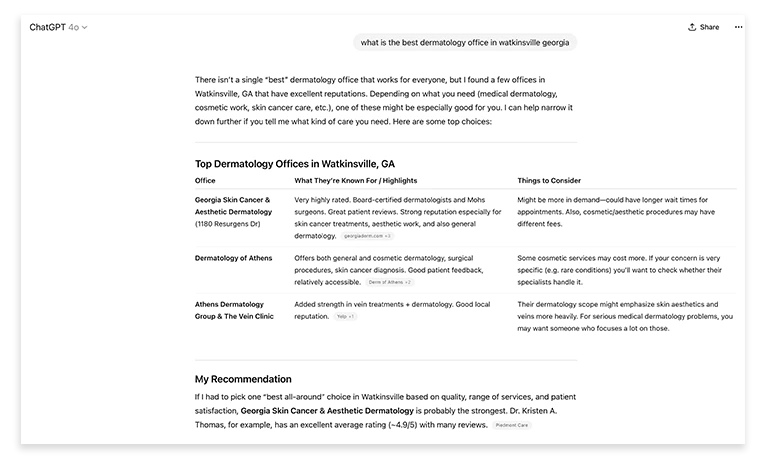
Question: What is Answer Engine Optimization for specialty medical practices?
Answer:
Answer Engine Optimization builds digital clarity so AI systems can understand and recommend your practice. It uses structured data, schema markup, clear service lines, FAQ blocks, and direct answers to common patient questions. AEO treats AI as a referral source by making your clinical information accurate, consistent, and easy for machines and humans to interpret.
The Part With The Numbers
- 70–80% of health searches still begin online, but the starting point is shifting toward AI tools.
- Early studies show AI-generated summaries reduce clicks to traditional websites by 20–40%.
- Providers with structured data (schema) typically see 15–25% better AI citation visibility compared with “plain text” sites.
- FAQ-style content is around 30% more likely to appear in AI answers.
Don’t panic – we specialize in AI Visibility for specialty medical practices.
2. Patient Self-Scheduling as Conversion Lever
The Trend:
Patients continue to expect to book healthcare appointments the same way they book everything else in their lives: instantly, online, and without calling the office. Nearly half of online bookings happen after business hours, which means practices without self-scheduling lose high-intent patients at the moment they are ready to convert. Adopters are seeing measurable gains in new patient volume, reduced administrative load, and cleaner attribution data from digital campaigns.
Question: Why is patient self-scheduling a critical conversion tool for specialty practices?
Answer:
Self-scheduling captures high-intent patients the moment they decide to book, including evenings and weekends when phones are closed. It removes friction, shortens the path to appointment, and improves the conversion rate of paid and organic traffic. For multi-location or high-demand specialties, self-scheduling also provides cleaner attribution data and reduces staff time spent on routine scheduling tasks.
The Part With The Numbers
- 43% of online appointments are booked outside business hours (Relatient/MGMA).
- Practices offering self-booking see a 20–30% lift in new patient conversions from self-scheduling.
- Every 100 online appointments can free up roughly one full FTE’s scheduling workload.
3. HIPAA-Compliant Tracking & Privacy-First Marketing
The Trend:
Healthcare marketing continues to be shaped by stricter privacy rules and regulatory guidance that limit the use of common tracking tools like Google Analytics (GA4), Meta Pixel, and third-party remarketing scripts. Any analytics platform that could capture health-related user behavior without proper safeguards is a compliance risk. As a result, practices must shift to HIPAA-compliant analytics vendors, consent-based data collection, and privacy-safe attribution models. Though this increases cost, attribution models positively affect marketing performance because cleaner, compliant tracking produces more reliable data for decision-making and improves Return-On-Spend (ROAS).
Question: Why is privacy-first tracking essential for healthcare marketing in 2026?
Answer:
Privacy-first tracking makes sure your website and advertising tools aren’t accidentally sharing sensitive patient information. With new rules limiting tools like GA4 and Meta Pixel, practices need tracking systems that are fully HIPAA-safe and based on patient consent. This protects you legally, keeps patient data secure, and gives you cleaner, more reliable information about what marketing is actually working.
The Part With The Numbers
- After the OCR’s 2023–2025 guidance, over 70% of practices unknowingly run non-compliant tracking on their websites.
- Privacy-safe tracking improves lead-quality signals by up to 30% because quality data is improved, including spam/bot data that is filtered out.
4. AI-Assisted Paid Advertising With Human Control
The Trend:
Advertising platforms are adding more automation, and Google is pushing AI-driven campaign types harder than ever. But in medical specialty ads, fully automated campaigns often send money to the wrong places, show ads to the wrong people, or create inaccurate results. At Intrepy, we find that specialty practices get the best results when we use AI as a helper, not the driver: letting automation handle routine tasks while humans control targeting, spending, and compliance. This balanced approach protects budgets and keeps campaigns aligned with real patient needs and clinical realities.
Question: Why can’t specialty practices rely on fully automated campaigns like Performance Max?
Answer:
Fully automated campaigns often hide where your money goes and can show ads in places that we would exclude, as they are ineffective. Healthcare advertising needs more control because procedures, patient intent and messaging vary so much. AI works best as support, not autopilot. The strongest results come from campaigns where our humans set direction and AI helps with optimization, not the other way around.

The Part With The Numbers
- Fully automated campaigns (like PMax) can misallocate 30% of spend into low-intent placements (our directional commentary).
- Clinics using hybrid AI + human-controlled campaigns typically see 20–40% lower cost-per-appointment vs. automation-only.
5. Short-Form & Physician-Led Video Efficacy
The Trend:
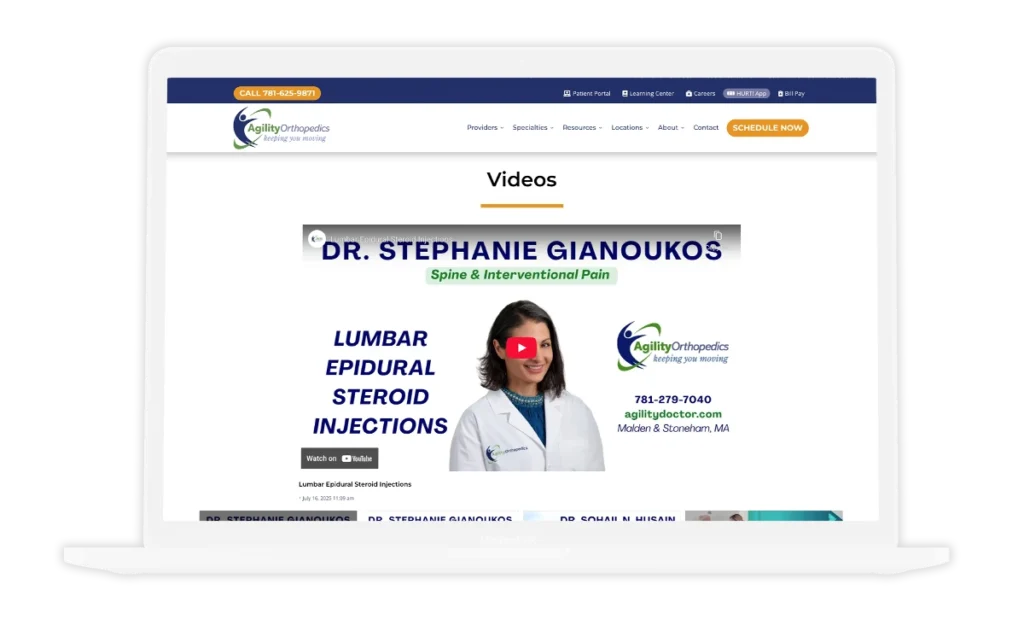
Video has become the quickest way for patients to understand who you are and whether they trust you. Short, simple videos explaining procedures, answering common questions, or showing what to expect often perform better than longer polished studio content. Patients respond to real conversations, not necessarily perfect scripts. These videos also travel well across search, social media, and even AI platforms, making them one of the most efficient ways for practices to build credibility and attract new patients.
Question: Why does short-form video work so well for specialty practices?
Answer:
Short videos help patients understand you quickly and feel more comfortable choosing your practice. They answer questions in a human way, build trust faster than text, and are easy to share across platforms. Because patients want clarity and reassurance, simple physician-led videos often outperform highly produced content and help convert website visitors into booked appointments.
The Part With The Numbers
- Patients retain 95% of a message in video vs. 10% in text.
- On social platforms, video receives 2–3x more engagement than images.
And the best bit about this trend? Intrepy offers a doctor video marketing tool, CaptureMD, to record and share affordable, branded provider videos in less than 2 minutes.
Designed to help physicians create social content in under 2 minutes and collect patient video testimonials.
6. Marketing–Operations Alignment (Capacity-Based Demand Shaping)
The Trend:
Many specialty practices now face uneven capacity: some providers are booked out for weeks while others have appointment gaps. Digital marketing works better when it supports real availability. The most successful practices connect their marketing efforts to what’s happening inside the schedule, shifting focus toward locations, providers, or service lines that have room, and pulling back where demand is already full. This alignment protects budgets, prevents patient frustration, and helps practices grow in a more predictable, sustainable way.
Question: Why does linking marketing to provider availability matter so much?
Answer:
When marketing doesn’t match your actual schedule, you either waste money or turn away patients. Aligning campaigns with real-time provider openings ensures targeted advertising supports the parts of the practice that need growth. It improves patient experience and helps practices grow steadily by sending demand to the right place at the right moment.
The Part With The Numbers
- Locations with targeted “availability-based” campaigns can grow 30–50% faster than locations running generic campaigns.
- Practices can lose 30-50% of revenue when marketing doesn’t match capacity.
7. Modern Reputation Strategy & Review Expansion
The Trend:
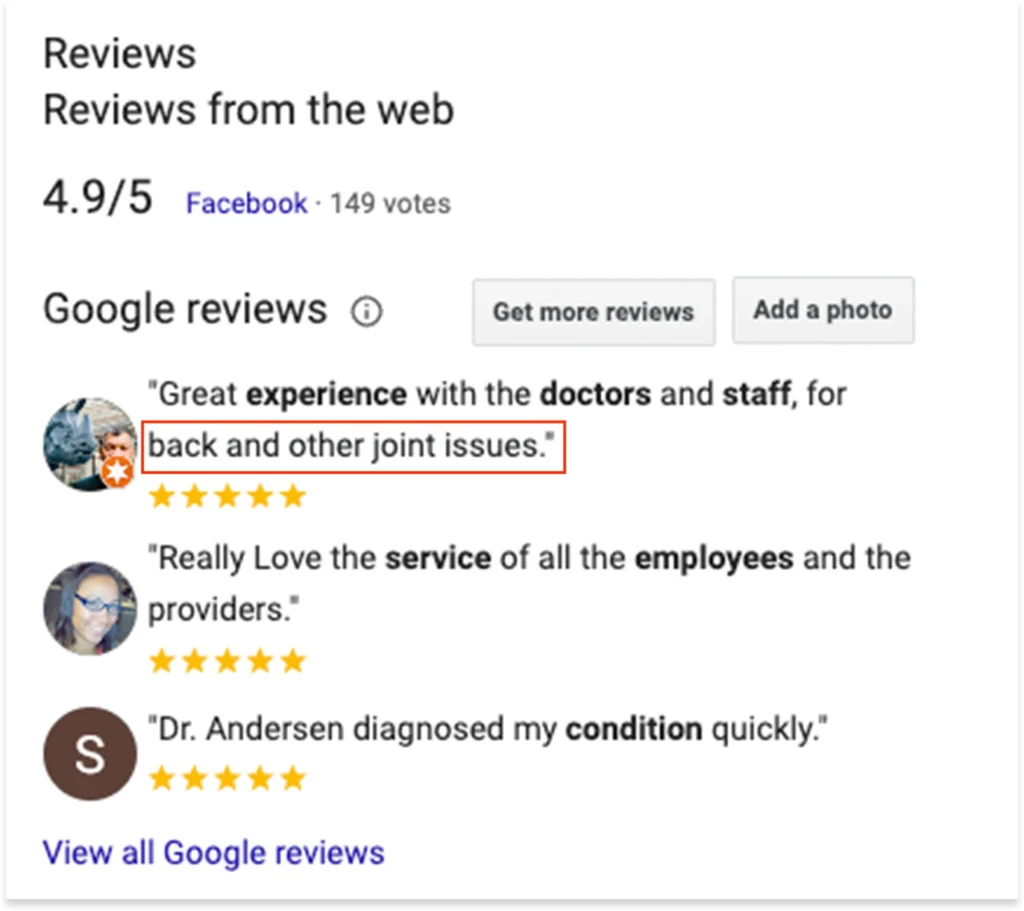
It’s not new that online reviews play a major role in how patients choose specialists, and they continue to heavily influence Google Business Profile and therefore your maps visibility (or inclusion in the local pack on the search results page). Patients expect recent, detailed feedback before booking. Google and AI platforms can scan review keywords to understand what your practice is known for. This means that a steady flow of authentic patient reviews is a core part of marketing, and so remains an ongoing trend.
Question: Why is online reputation so important for specialty practices in 2026?
Answer:
Patients rely on reviews to decide which doctor to trust, and Google uses those reviews to understand your services and rank your practice. Fresh, specific feedback helps both people and search engines see your strengths. A steady review strategy improves visibility, builds credibility, and makes patients feel more confident choosing your practice for specialty care.
The Part With The Numbers
- 72% of patients read online reviews first before choosing a specialist.
- After adding automated review requests, practices often see 200–400% increase in monthly reviews.
8. Programmatic Display & Connected TV (CTV) for Demographic Targeting
The Trend:
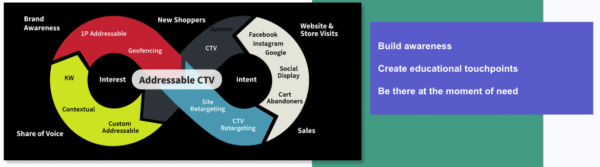
Streaming platforms and programmatic ad networks have opened up new, cost-efficient ways for specialty practices to reach the right patients. Connected TV and targeted display ads allow you to focus on specific age groups, ZIP codes, or interest profiles far more precisely than traditional TV or print. For high-value procedures, such as those in orthopedics and ophthalmology, these channels help keep your practice top-of-mind while patients are researching their options across devices.
Question: Why are CTV and programmatic ads becoming useful for specialty practices?
Answer:
CTV and programmatic ads let practices reach specific patient groups with far more precision than traditional advertising. They’re helpful for promoting high-value services to the right age and demographic segments, and they create steady visibility while patients research care. Because the targeting is tighter and the costs are more efficient, these channels often produce stronger awareness for the same budget as offline campaigns.
The Part With The Numbers
- CTV cost-per-household viewed is often 70–80% cheaper than broadcast TV.
- Programmatic targeting improves demographic match rates by 40–60% vs. traditional channels.
9. National SEO & the Educational Content Race
The Trend:
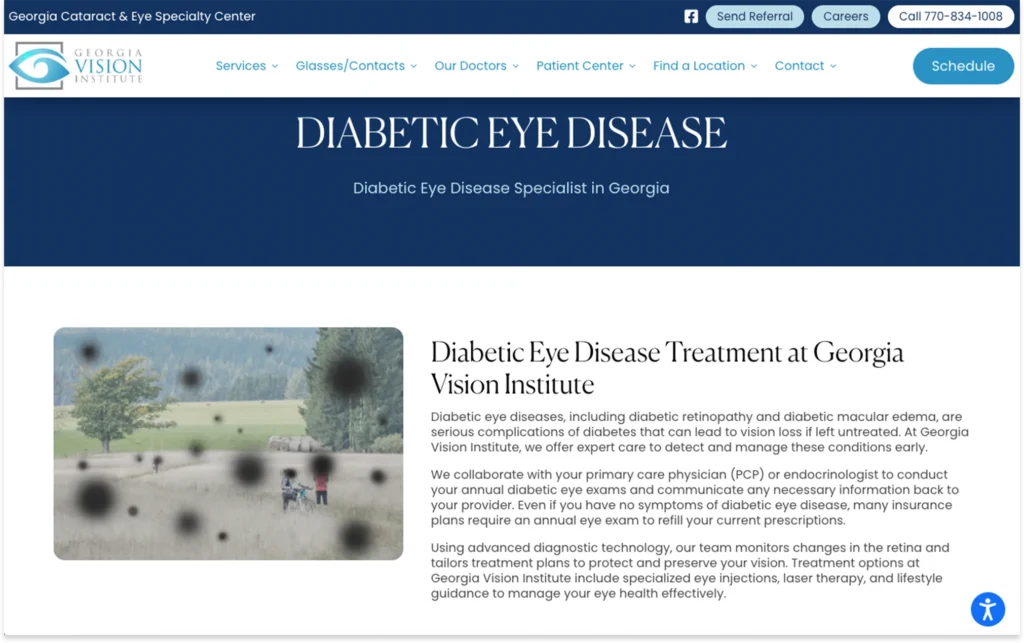
Patients now expect clear, helpful information before they ever book an appointment, and large national healthcare brands are meeting that demand with huge libraries of educational content. This raises the bar for everyone. Specialty practices don’t need to compete on volume, but they do need accurate, patient-friendly content that answers real questions. Strong educational pages help you rank, earn AI visibility and citations, and build trust long before a patient enters your office.
Question: Why does educational content matter so much for specialty practices?
Answer:
Patients want straightforward explanations of conditions, treatments, recovery, and what to expect. When your website provides clear answers, patients stay longer, trust you more, and are more likely to book. Educational content also helps AI search and AI platforms understand your expertise, increasing your chances of appearing when patients ask questions about your specialty treatments.
The Part With The Numbers
In one dermatology case study, a patient-centric SEO and content strategy drove 900% growth in organic visibility and 337% more patient leads. That’s not a promise, it’s a signal: when you explain conditions and treatments clearly, search and patients both reward you.
In Summary
At Intrepy, as we write this, and throughout the year, we observed that digital healthcare marketing for medical practices isn’t rolling forward anymore, it’s leaping. AI is reshaping how patients discover care, privacy rules are rewriting the analytics playbook, and convenience is now the heartbeat of patient conversion. The practices growing in 2026 aren’t doing “more marketing” with us, they’re doing smarter marketing. They’re visible in AI answers, easy to book with, compliant behind the scenes, and aligned internally so every campaign supports real availability. When those pieces click, growth feels good 😉
If you want your practice to feel more modern, more discoverable, and more patient-friendly this year, let’s take a look together. Book a free practice marketing assessment, and we’ll show you exactly where the biggest opportunities are.
About The Author
By Tomi Barton, Chief Marketing Officer, Intrepy Healthcare Marketing
Tomi is the Chief Marketing Officer at Intrepy Healthcare Marketing, where she leads patient acquisition, ROI-driven digital strategies, and brand growth for medical practices across 40+ specialties. With training from Cambridge Marketing College and a Master’s in Internet Marketing from USF, she combines clinical literacy, marketing expertise, and AMWA-trained medical writing skills to create content and campaigns that build strong healthcare brands and measurable growth. She specializes in healthcare strategy, direct-to-patient marketing, AI visibility, and ROI optimization for physicians and specialty medical practices.